
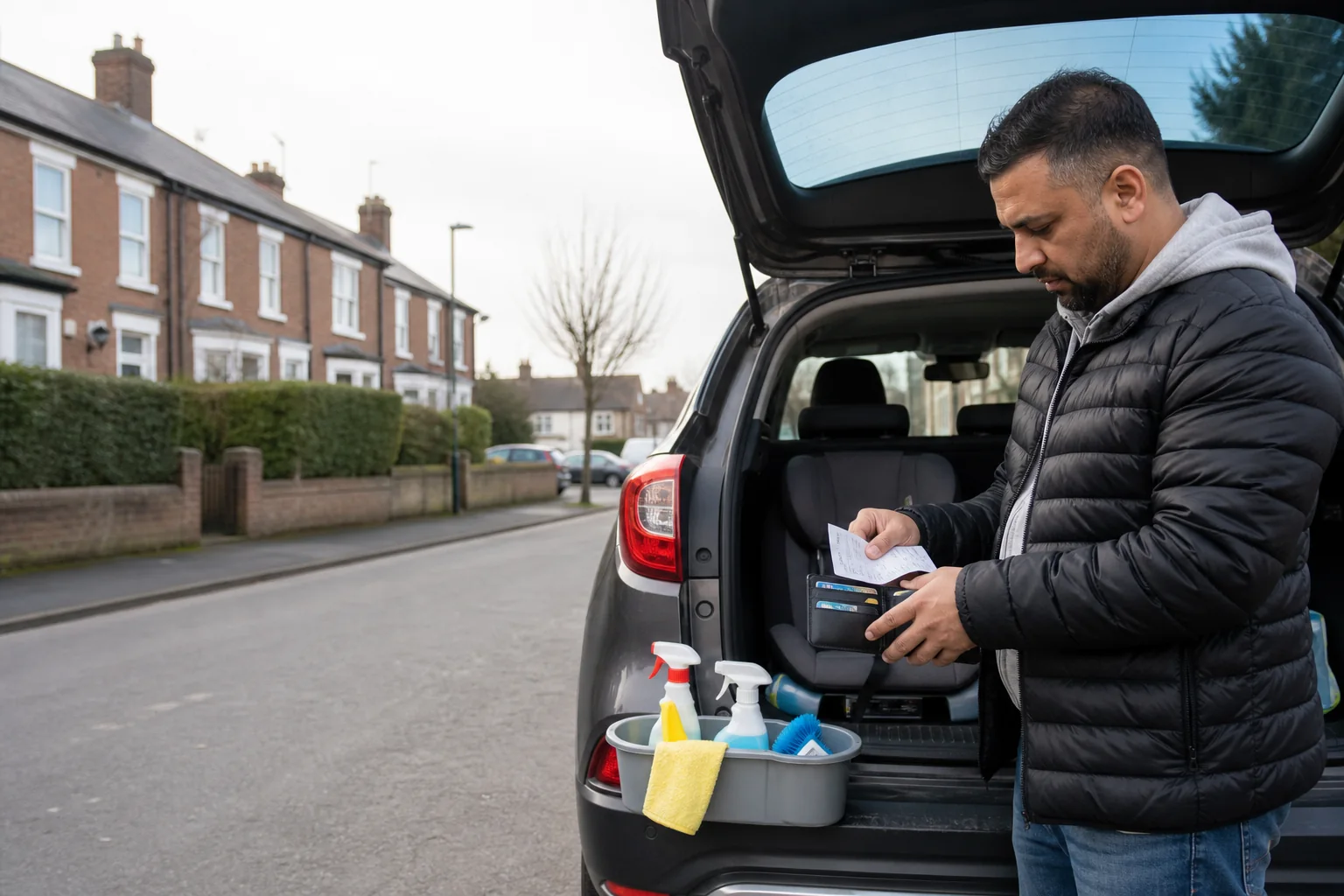
Vehicle-Related Expenses
Vehicle expenses form 60-70% of Uber drivers' total deductions. These costs often average substantial amounts each year. Drivers track them carefully for tax benefits.
Uber drivers choose between actual expenses or the standard mileage rate. Actual expenses include gas, repairs, and insurance based on business use. The standard rate covers all vehicle costs per mile driven.
Calculate your business use percentage with this formula: (business miles ÷ total miles) × 100. Apply this to deduct the business portion of costs. The HMRC excludes commuting miles from deductions.
Keep detailed logs of odometer readings and trip logs from the Uber app. Use apps like QuickBooks Self-Employed or FreeAgent for automatic tracking. This ensures audit-proof records on Self Assessment.
Gas and Fuel Costs
Uber drivers average 25,000 business miles yearly, with fuel as a top expense. Track every receipt to claim accurately. Use the actual expense method for precise deductions.
Apply this formula: (business miles ÷ total miles) × total gas receipts. Apps like QuickBooks Self-Employed, Hurdlr, or QuickBooks Self-Employed simplify tracking. Avoid mixing personal trips to stay compliant.
For electric vehicles, a Tesla Model 3 cuts costs compared to petrol cars through cheaper charging. Log EV charging expenses similarly. Fuelly offers free tracking for all vehicle types.
Experts recommend mileage tracker apps for Uber app data integration. Separate business fuel from personal use. Organise digital receipts by month for easy tax filing.
Maintenance and Repairs
Routine maintenance averages notable costs for rideshare vehicles, like oil changes, tires, and brakes. Deduct based on business use percentage. Track all services diligently.
Categorise repairs into wear and tear (fully deductible if business-related), accident fixes (business portion only), and routine upkeep. Use (Uber miles ÷ total miles) for the percentage. Apps like Everlance capture mileage photos instantly.
HMRC rules require capital improvements to be depreciated, not fully expensed. Routine items like tyre replacement qualify fully for business miles. RepairPal helps estimate fair costs.
Keep receipts for car washes, alignment, and transmission service. Logbook entries prove business use. This supports deductions on the SA100 return for independent contractors.
Insurance Premiums
Rideshare insurance costs more than personal policies. Deduct only the business portion based on use. Document everything with app logs.
Use this formula: (business hours ÷ total driving hours) × annual premium. Rideshare gap coverage fills periods when the app is on but no ride is active. It protects during those gaps.
Compare options like personal, commercial, or rideshare policies. Providers offer tailored plans for Uber drivers. HMRC requires proof of business use via logs.
Track vehicle registration and licensing fees similarly. Maintain separate records for tolls and parking. This builds strong gig economy tax deductions.
Get a Free Tax Quote
We specialise in tax for Uber and ride-share drivers. Fixed written quote within 48 hours, no obligation.
Depreciation and Mileage
Standard mileage at 67¢/mile in 2024 proves simpler for new drivers. It covers gas, maintenance, and depreciation in one rate. Depreciation suits vehicles with purchase prices over £20,000 better.
Consider a £25,000 car driven 25,000 miles for Uber. The standard mileage deduction totals £16,750, while Section 179 depreciation yields £7,500. Most drivers elect mileage for its ease.
HMRC rules lock your choice after the first year. You cannot switch methods later without issues. Track business use percentage carefully from the start.
Luxury auto limits cap first-year depreciation at £20,200 for 2024. This affects high-value cars used in ridesharing. Experts recommend mileage for mixed-use vehicles like those for Uber drivers.
Standard Mileage Deduction
2024 HMRC rate of 67¢/mile covers gas, maintenance, and depreciation. An average Uber driver deducts £16,750 on 25,000 miles. This method simplifies tax deductions for gig workers.
Set up tracking with these steps. First, install a mileage tracker app like QuickBooks Self-Employed or Hurdlr. Then enable auto-tracking for Uber trips.
- Install QuickBooks Self-Employed or Hurdlr app.
- Enable auto-tracking for rideshare miles.
- Export data to Self Assessment.
- Take odometer photos monthly for records.
Audit-proof your claim with a 90-day logbook. Compare apps in this table for Uber drivers.
| App | Cost | Key Features |
|---|---|---|
| Stride | Free | 100% accuracy, auto-tracking |
| Hurdlr | £99/year | Tax filing, expense categorisation |
| QuickBooks Self-Employed | £15/month | Full accounting, profit/loss statements |
Use trip logs to separate business from personal miles. Keep digital receipts for fuel costs and vehicle maintenance. This ensures Self Assessment accuracy on the SA100 return.
Tolls, Parking, and Fees
Tolls and parking average £1,200 per year for many Uber drivers. Uber fees take 25-40% of gross earnings, such as £7,500 on £20,000 in total earnings. These costs add up quickly during busy driving periods.
Tolls count as 100% deductible expenses for Uber drivers, no matter the business purpose, per HMRC rules. Parking fees, often £5 to £15 per event, also qualify as deductible when tied to rides. Track them carefully to maximise your tax deductions on Self Assessment.
Use the E-ZPass app for toll records and download earnings CSVs from the Uber app for fees. In states like New York, MTA tolls at £15 per trip remain fully deductible. Keep digital receipts organised for audit proof.
Combine tolls, parking, and fees with other deductible expenses like gas and vehicle maintenance. Experts recommend a mileage tracker app such as QuickBooks Self-Employed or Hurdlr alongside Uber data. This setup simplifies expense categorisation and supports your independent contractor status.
Uber Service Fees
Uber's 25% service fee plus 1.5% processing totals 26.5% and qualifies as fully deductible on the relevant Self Assessment box. Download monthly earnings statements directly from the Uber Driver app. These records capture all platform charges accurately.
Key fees include the service fee at 25%, booking fee around £2.50, and processing at 1.5%. Cancellation fees also count as deductible expenses. For a £1,000 earnings week, expect about £265 in total fees to deduct.
Incentives and bonuses are taxable trading income in the same way as fare income, and they appear in the Uber annual tax summary rather than on any separate statement. Export the CSV from the driver hub into your bookkeeping software for categorisation. This pro tip streamlines your profit and loss statement preparation.
Pair Uber commissions with tolls and parking fees for complete tracking. Maintain a business bank account to separate these from personal funds. Proper logs ensure compliance with HMRC Publication 463 on travel expenses.
Phone and Internet Expenses
Deduct 80-100% of phone costs if used exclusively for Uber driving. Full-time drivers often claim nearly all expenses from unlimited plans averaging £1,200 yearly. This covers calls, data, and apps essential for rides.
Use allocation methods to determine business portions accurately. Track business use percentage, like 90% for full-time drivers, or opt for a separate business line at £50 monthly. Another approach divides Uber miles by total phone data usage.
Hardware items qualify as deductible expenses. Common purchases include phone mounts for £25, car chargers for £20, and hotspots at £35 monthly. Navigation apps like Google Maps Premium cost £5 monthly, while Waze remains free.
The HMRC requires at least 50% minimum business use under safe harbour rules. Maintain logs of trip logs and odometer readings for audit proof. Categorise these in Self Assessment for self-employment tax benefits.
Allocation Methods for Phone Bills
Calculate business use percentage by logging Uber app time versus personal use. Full-time Uber drivers might allocate 90% to business based on daily ride hours. This method supports higher tax deductions with detailed records.
Set up a separate business line for simplicity, such as a £50 monthly plan dedicated to Uber. This allows 100% deduction without complex tracking. Experts recommend this for drivers with high ride volumes.
Estimate via app data usage, dividing Uber miles by total phone activity. Use mileage tracker apps like QuickBooks Self-Employed or FreeAgent or Hurdlr for precise splits. Keep digital receipts organised for expense categorisation.
Hardware and App Costs
Claim phone mounts and chargers as supplies on Self Assessment. A £25 mount keeps devices secure during rides, while a £20 charger prevents downtime. These small items add up for full-time drivers.
Hotspots at £35 monthly enable reliable internet in low-signal areas. Pair with navigation apps like Google Maps Premium for £5 monthly traffic updates. Free options like Waze suit budget-conscious Uber drivers.
Track purchases with receipts organisation apps for audit readiness. Include dashboard cams or backup cameras if used for safety and business logs. Deduct as office expenses or supplies.
Internet Service Deductions
Portion home internet service bills using business use logs. Uber drivers relying on Wi-Fi for trip planning claim based on ride-related usage. This ties into overall gig economy taxes.
Use business use percentage from phone logs for consistency. Software like QuickBooks Self-Employed automates tracking. File under travel expenses in HMRC Publication 463.
Maintain odometer readings linking internet to Uber miles driven. This proves deductions during tax season. Combine with phone bills for comprehensive claims.
Supplies and Cleaning
Weekly cleaning supplies cost £25, water bottles (£10), mints (£8), towels (£7) total £1,500/year deductible. Uber drivers can claim these as passenger amenities on the relevant Self Assessment box. Keeping the car fresh helps with ratings and tips.
Cleaning products like Pine-Sol at £8 per gallon or Armor All at £10 qualify fully. Track purchases through Walmart or Amazon receipts for easy audit proof. Regular use maintains vehicle condition for ridesharing.
Safety items such as a first aid kit for £25 count as deductible supplies. HMRC examples include ice chests, cups, and advertising mints. A realistic annual budget around £1,364 covers these essentials without excess.
- Passenger water and mints for comfort.
- Cleaning wipes, towels, and air fresheners.
- Safety kits with bandages and sanitiser.
Organise receipts digitally or in folders by category. This supports tax deductions for actual expenses method. Experts recommend separating business use from personal to avoid issues.
Business Registration and Licenses
DMV registration (£150-400) + business license (£50-200) are fully deductible for Uber drivers. These costs require proper business use documentation to claim on your tax return. Keep receipts and logs to support your deductions.
Federal EIN is free from HMRC and essential for independent contractor status. State requirements vary, such as a California business licence at around £100 or a Texas LLC at about £300. New York sales tax permits come at no cost, making them easy additions for rideshare operations.
Bank fees, like Chase Business account charges of £15 monthly, qualify as deductible expenses. Register your vehicle for business use where possible to strengthen claims. This setup helps separate personal and business finances effectively.
Pro tip: Total LLC formation costs around £500 count as startup expenses under HMRC rules. Track these with mileage tracker apps like QuickBooks Self-Employed or FreeAgent or Hurdlr for audit proof. Organise digital receipts by category so the figures for the SA100 return and the SA103 self-employment pages can be assembled without rebuilding the year from bank statements.
Professional Services
An accountant who works with drivers regularly will know which expenses stand up and how to evidence business use of the vehicle, which is the point HMRC is most likely to query. The fee is itself an allowable expense. Proper filing ensures you claim every eligible cost accurately.
Compare options with this table to find the best fit for your self-employment taxes.
| Option | What it suits | What to check |
|---|---|---|
| Bookkeeping app alone | Simple year, one income source, confident filer | That it produces a mileage log HMRC would accept |
| Accountant, return only | Straightforward accounts, want the return checked | Whether capital allowances on the vehicle are included |
| Accountant, year-round | Multiple income sources, vehicle finance, VAT | Whether the fee covers HMRC correspondence if a query arrives |
The QBI 20% deduction can reduce self-employment tax significantly, such as on £20K profit. Health insurance premiums are 100% deductible for self-employed drivers. Pay quarterly estimates with the SA100 return-ES to avoid penalties.
Experts recommend organising receipts digitally for Self Assessment. Track accountant fees and tax software costs as deductible professional fees. This keeps your rideshare records audit-proof.
Frequently Asked Questions
What Expenses Can Uber Drivers Claim?
Uber drivers can claim a variety of business-related expenses to reduce their taxable income, including mileage driven during rides (using the standard mileage rate), vehicle maintenance like oil changes and repairs, petrol, insurance premiums specific to ridesharing, car washes, tolls, parking fees, phone bills for the Uber app, and even snacks or water provided to passengers. Always keep detailed records and consult a tax professional for your specific situation.
Can Uber Drivers Claim Mileage as an Expense?
Yes, one of the top expenses Uber drivers can claim is mileage. You can use the HMRC standard mileage rate (e.g., 45p per mile for the first 10,000 miles and 25p thereafter in 2023/24) for all miles driven while logged into the Uber app, including waiting for rides. Alternatively, track actual vehicle expenses, but not both. Apps like QuickBooks Self-Employed or Everlance make this easy.
Are Vehicle Repairs and Maintenance Claimable for Uber Drivers?
Absolutely, Uber drivers can claim expenses for vehicle repairs and maintenance directly related to their ridesharing activity, such as tyre replacements, brake repairs, oil changes, and tune-ups. Proportion these costs based on business use percentage (e.g., if 70% of miles are for Uber, claim 70% of the expense). Receipts are essential for audits.
What About Petrol and Tolls? Can Uber Drivers Claim Them?
Petrol and tolls are fully claimable expenses for Uber drivers if using the actual expense method instead of mileage deduction. Track fuel receipts and Uber toll statements. The mileage method indirectly covers petrol, so choose the method that maximises your deductions. These can add up quickly for high-mileage drivers.
Can Uber Drivers Claim Phone and Internet Expenses?
Uber drivers can claim a portion of their phone and internet bills as expenses since the Uber app requires constant connectivity. Calculate the business-use percentage (e.g., data used for GPS and app) and deduct that amount. Also, claim costs for phone mounts, chargers, or dash cams used for ridesharing safety and recording.
Are Passenger Amenities and Supplies Deductible Expenses for Uber Drivers?
Yes, Uber drivers can claim expenses for passenger amenities like water bottles, mints, phone chargers, tissue packs, and car air fresheners purchased to enhance rider experience and ratings. These small costs are 100% deductible as advertising or supplies if used exclusively for Uber rides. Keep receipts to substantiate claims.
Get a Free Tax Quote
We specialise in tax for Uber and ride-share drivers. Fixed written quote within 48 hours, no obligation.