

Uber Driver Accountants Blog
Tax guides, expense tips, and HMRC advice written specifically for UK Uber and ride-share drivers.
Tax Guide for Uber Drivers in the UK
HMRC's 2024 guidance confirms Uber drivers as self-employed contractors, not employees, following the 2021 Supreme Court ruling. This status means you handle your own Self Assessment tax returns and p...
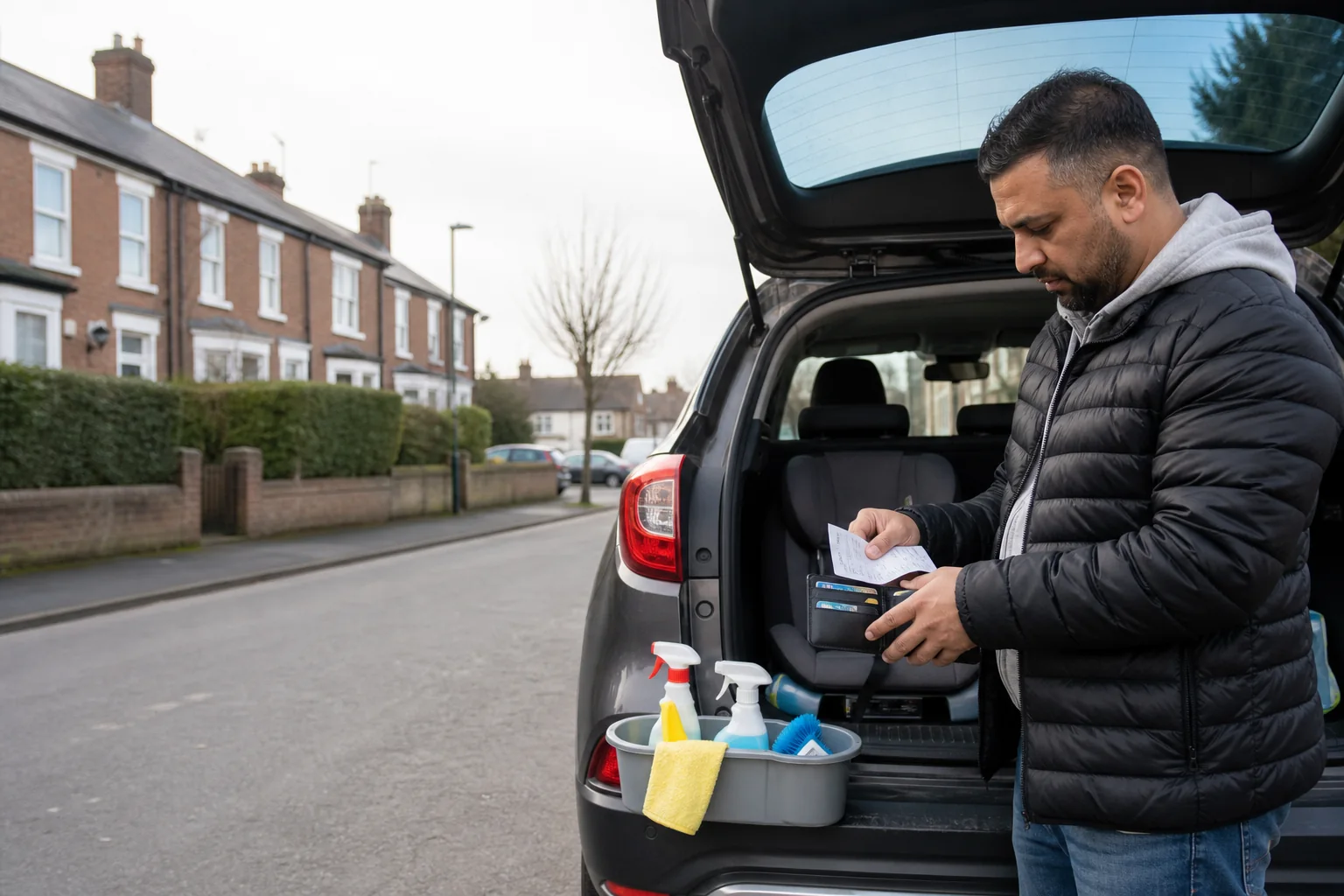
What Expenses Can Uber Drivers Claim?
Vehicle expenses form 60-70% of Uber drivers' total deductions. These costs often average substantial amounts each year. Drivers track them carefully for tax benefits.

Do Uber Drivers Need to Register as Self Employed?
UK courts classify Uber drivers as 'workers' (not employees but with more rights than contractors), entitling them to minimum wage (£11.44/hr), holiday pay (28 days/year), and sick pay per Employment ...

How Uber Drivers File Self Assessment Tax Returns
Uber drivers in the UK must register for Self Assessment as self-employed sole traders, reporting ride-sharing income to HMRC by January 31st annually. HMRC data shows 1.6 million gig workers filed Se...
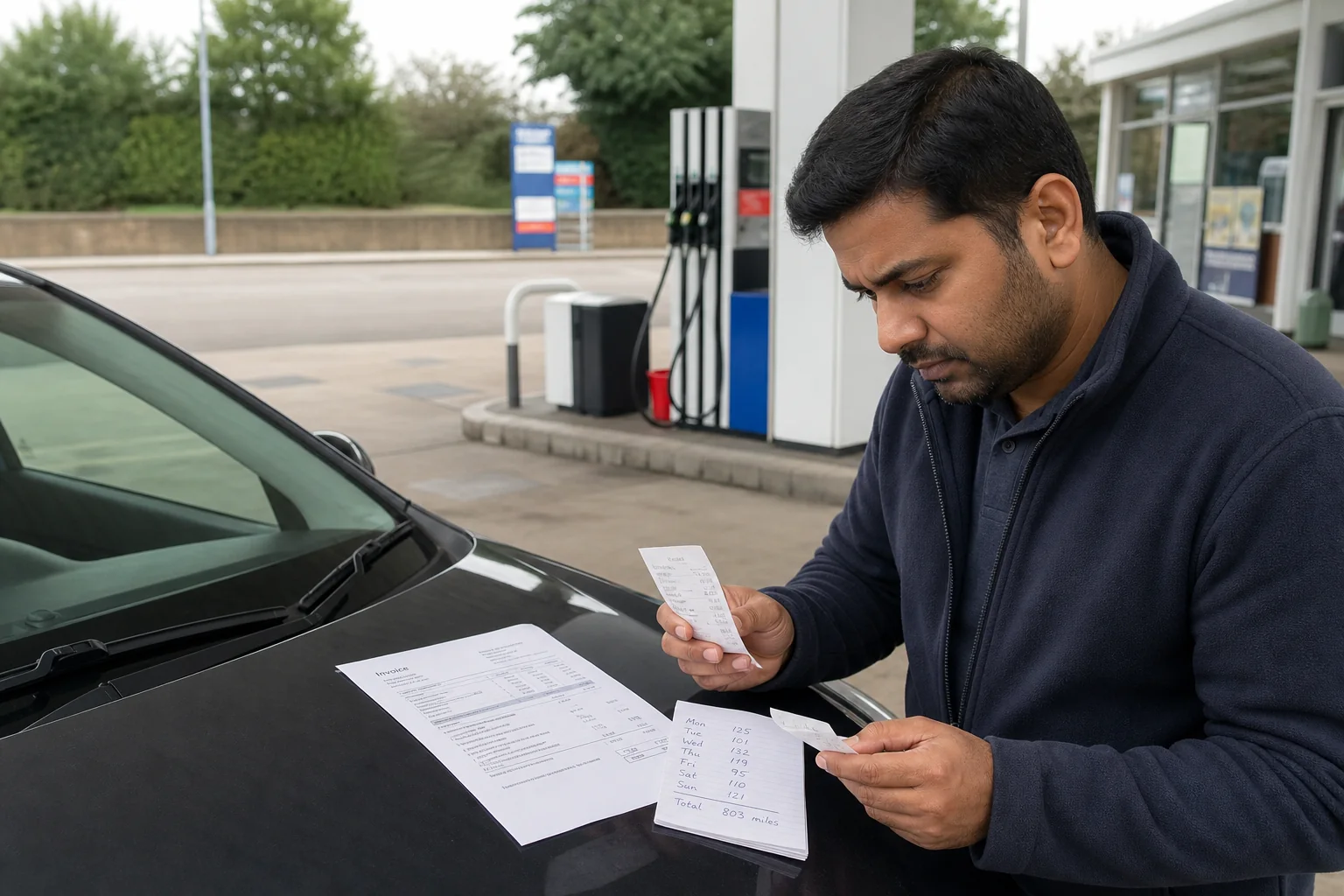
Mileage vs Vehicle Expense Claims Explained
Mileage claims allow businesses and self-employed individuals to deduct vehicle costs using HMRC standard rates or actual expenses, with 2024 rates at 67 cents per mile for business use.

VAT Rules for Uber Drivers
UK Uber drivers must register for VAT registration threshold when taxable turnover exceeds £85,000 in any 12-month period, per HMRC VAT Notice 700/1. This applies to self-employed VAT obligations for ...

How Much Tax Do Uber Drivers Pay in the UK?
Uber classifies drivers as self-employed contractors per the 2019 Pimlico Plumbers Supreme Court ruling, requiring personal service substitution and control tests. This ruling sets context for HMRC's ...

How to Track Expenses as an Uber Driver
Meticulous expense tracking is what separates a driver guessing at their profit from one who knows it. It also decides how much of your income is taxable, because an expense you cannot evidence is an expense you cannot claim...

Insurance and Vehicle Costs for Uber Drivers
Uber drivers must maintain specific insurance levels across three distinct periods, with personal auto policies alone risking coverage gaps up to £1 million in liability. Period 1 covers app off times...

Should Uber Drivers Become Limited Companies?
Uber drivers currently operate as independent contractors in most jurisdictions, but 2021 UK Supreme Court rulings classified them as 'workers' granting basic employment rights. This shift provides ac...

HMRC Rules for Ride Share Drivers
Uber drivers classified as workers by the Supreme Court in 2021 won holiday pay backclaims averaging £5,600 per driver. This ruling highlighted misclassification risks in the gig economy. It affects r...

Self Assessment Checklist for Ride Share Drivers
Ensure your vehicle passes Uber's 19-point inspection and Lyft's equivalent standards by focusing on cleanliness and mechanical condition first. Vehicle readiness directly affects your safety score, w...
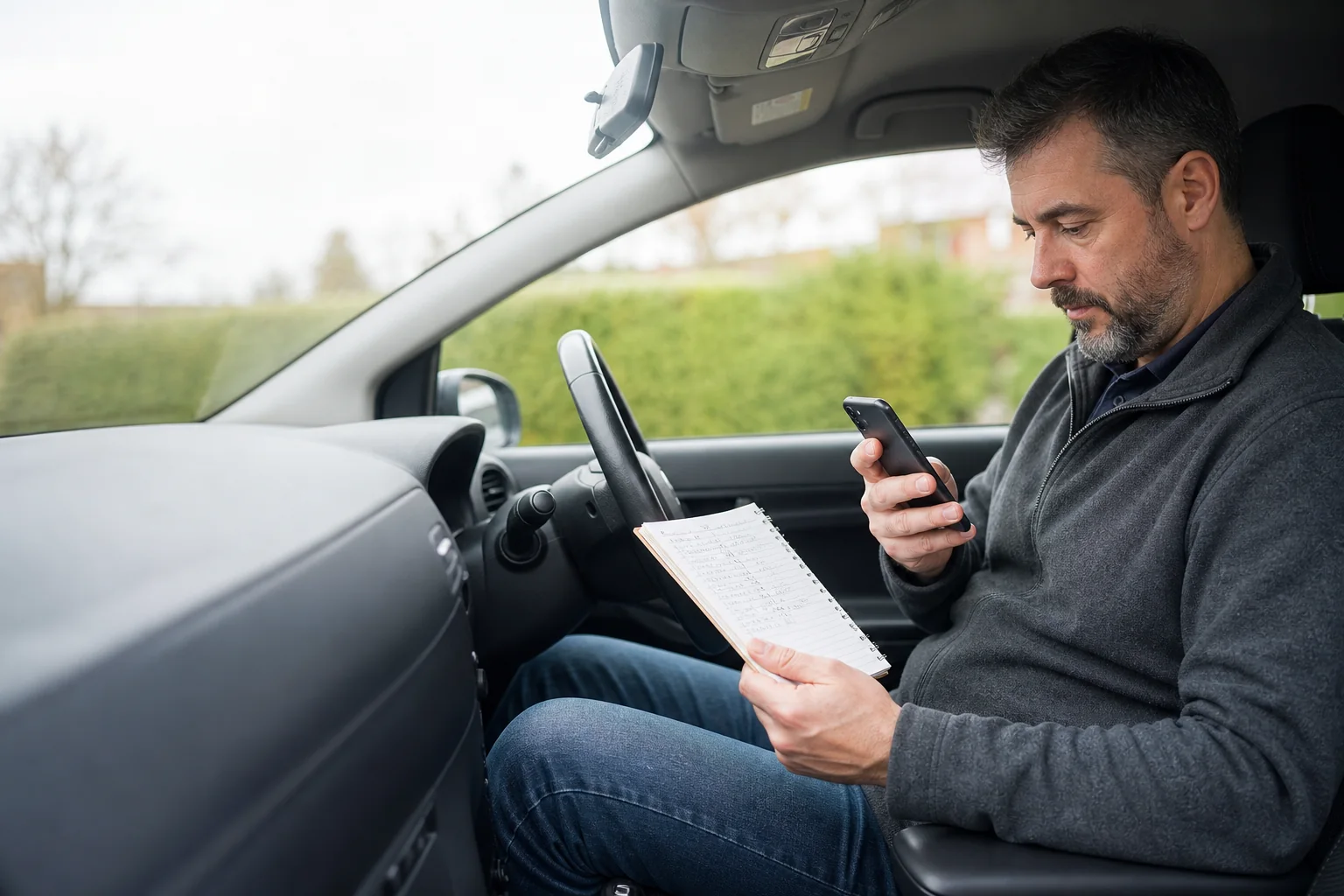
Bridging Software or a Mobile App: How Uber Drivers Should Keep MTD Records
From 6 April 2026 an Uber driver over the £50,000 threshold must keep digital records and file quarterly. There are two ways to do it: a spreadsheet joined to bridging software, or a native mobile app that captures everything from the phone. They are built for very different drivers.
The January 2026 Taxi Tax and Why London Uber Fares Now Face 20% VAT
London Uber fares now carry 20% VAT because the operator supplies the journey as principal under Transport for London licensing, so the charge sits at operator level, not on the driver.

Principal vs Agent Contracts and How Uber Changed the Rules Outside London
Whether private hire fares carry VAT turns on one legal question: is the operator the principal supplier of the journey, or merely an agent introducing passenger to driver? London and the rest of the UK diverge.

The £90,000 VAT Threshold and When an Individual Driver Must Register
The £90,000 VAT registration threshold applies to a driver's own taxable turnover, not to platform fares the operator supplies. Most drivers fall well below it, so it is usually the operator who is affected.

The "Taxi Tax": Private Hire VAT After TOMS Ends (Jan 2026)
TOMS historically taxed the margin rather than the gross fare for tour-operator-style supplies. The principal shift in private hire effectively closed that argument for the operator, leaving full-fare VAT as the default.

Claiming Back VAT on the Purchase of a New Private Hire Vehicle
Cars normally face the 50% input-VAT block, but PHVs designed and used exclusively for taxi work can recover input VAT in full. The conditions are strict and the evidence trail matters.
VAT for Private Hire Drivers Working Across Bolt, FreeNow and Uber
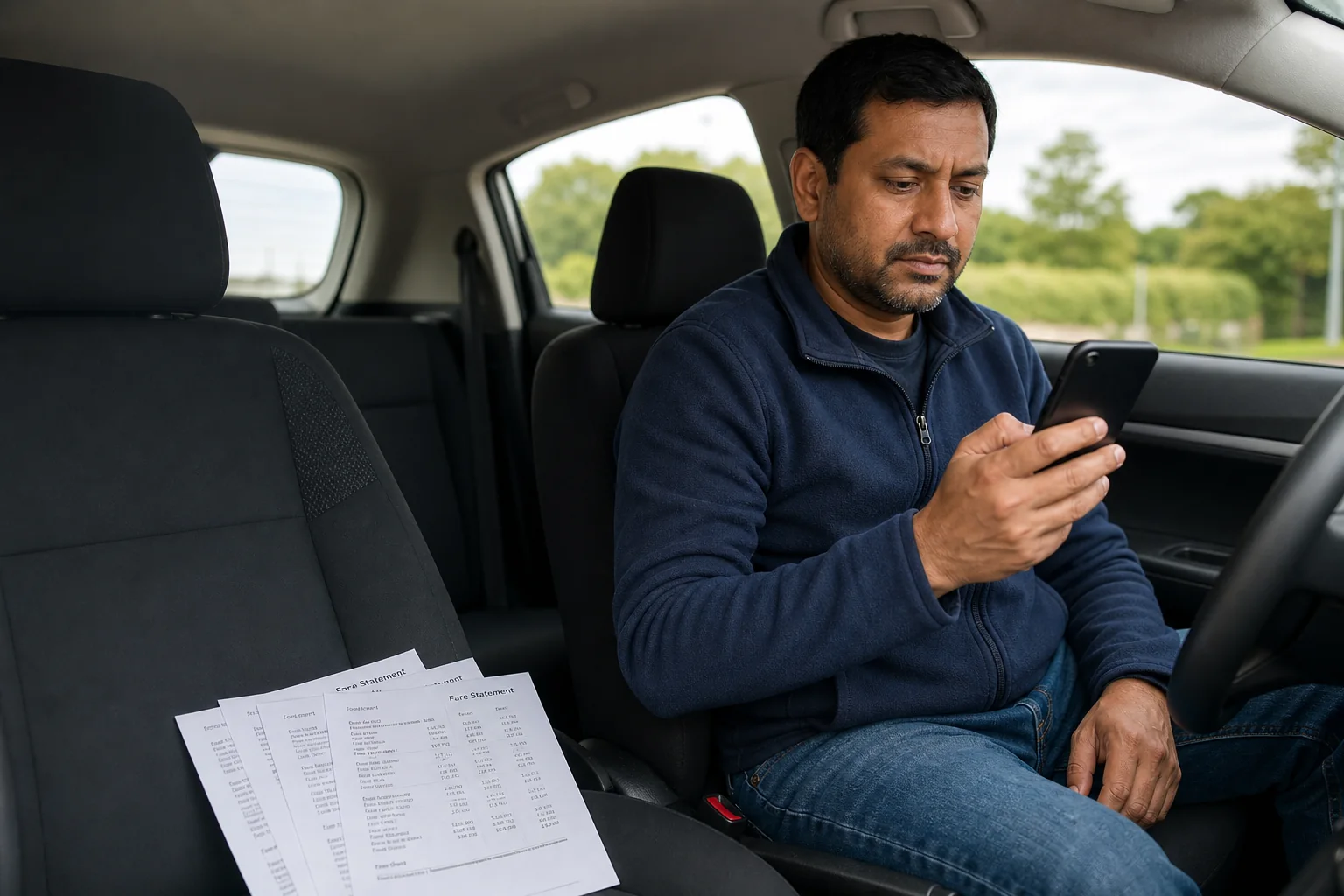
Each operator chooses its own VAT model, so a multi-app driver can be supplier under one operator and not under another. The £90,000 threshold applies only to the driver's own supplies.

How Claiming Expenses Can Cut Your Mortgage Borrowing
Claiming every allowable expense cuts your tax bill, but it also cuts the profit a mortgage lender sees. Here is the catch-22 for self-employed drivers, and how to plan for it.
What Counts as a Business Mile for an Uber or Private Hire Driver
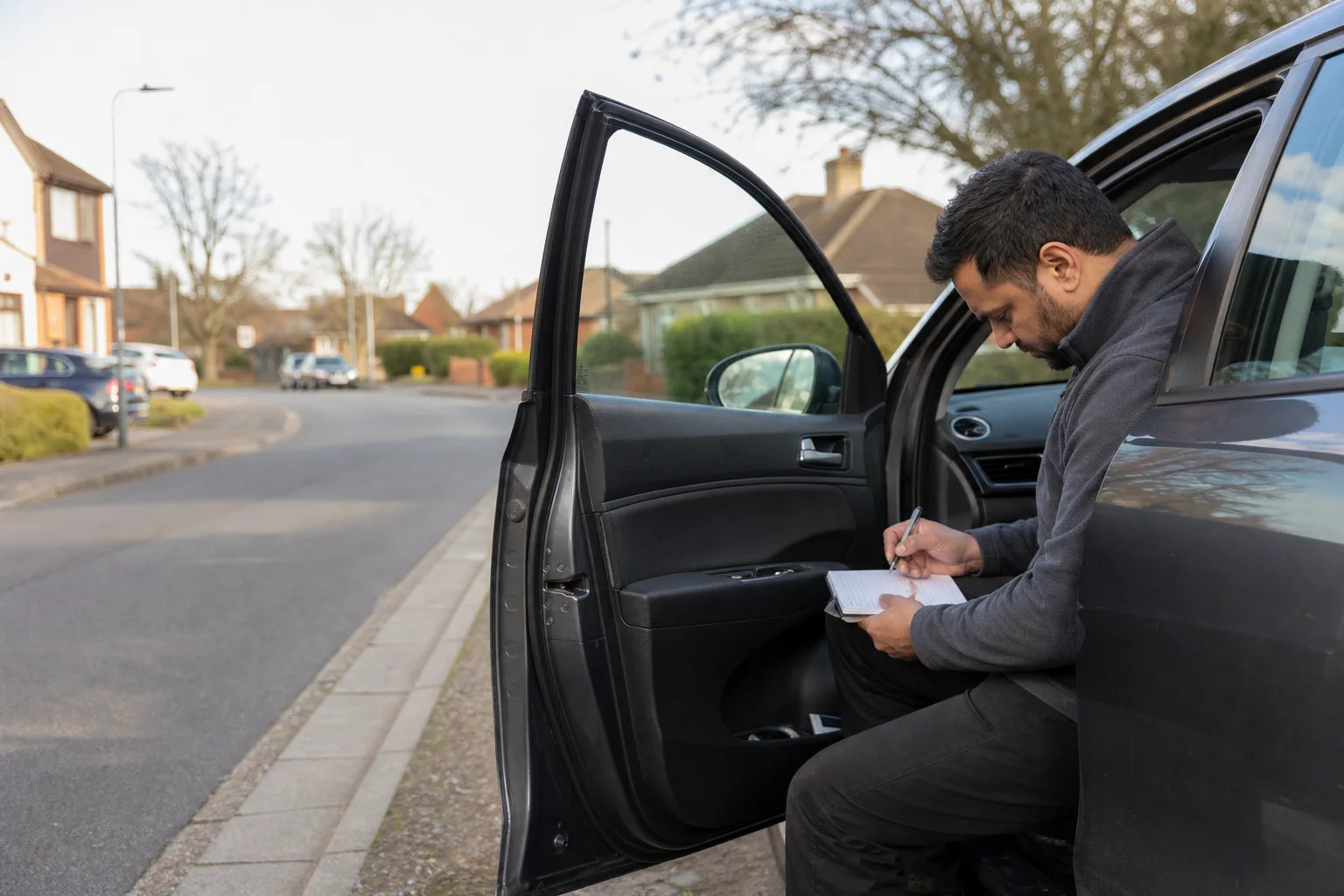
A private hire driver covers far more business miles than the ones with a passenger in the car. Here is which miles count, which do not, and how to log them so the claim stands up.