
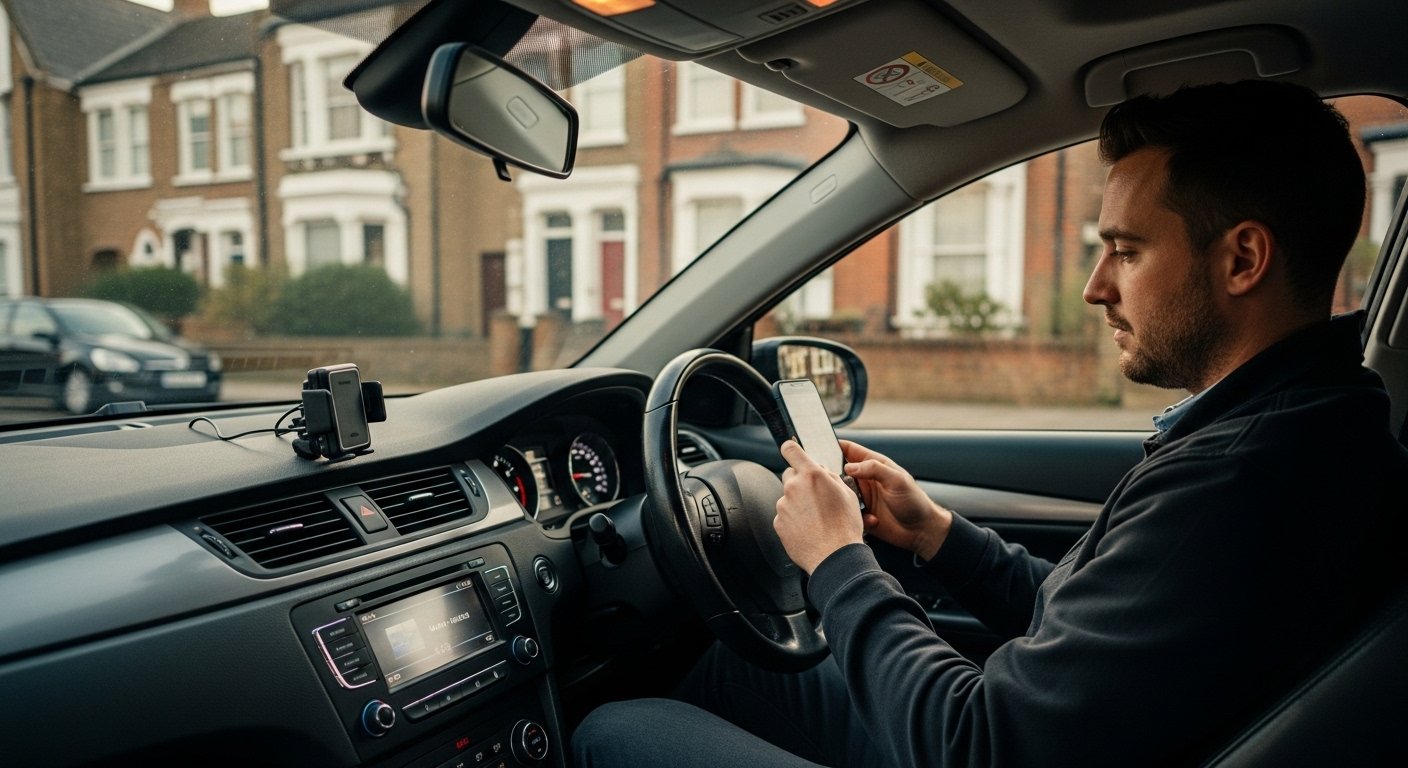
A large number of private hire drivers have kept the same system for years. A paper logbook in the glovebox for mileage, a shoebox or a carrier bag for fuel and servicing receipts, and a once-a-year sit-down with an accountant to turn it all into a tax return. It works, and there is nothing wrong with the discipline behind it. What ends it is the digital records requirement that arrives with the MTD ITSA mandate for drivers, which from 6 April 2026 obliges anyone above the £50,000 qualifying income threshold to keep records in software and file quarterly. Paper and a shoebox no longer clear that bar.
The good news is that the move is a sequence a driver can run themselves over a couple of quiet evenings, and every step has a purpose. Rushing straight to buying software and then trying to backfill a year of records in a panic is how drivers lose data and trust in the system. Doing it in order keeps the old records intact while the new system is proven.
Step one: choose the software before you touch the data
The first decision is which MTD-compatible product will hold the records, because everything else is shaped by that choice. A driver loyal to a spreadsheet may keep it and add a bridging connector, while a driver who wants capture handled on the phone will pick a native app. Either way the tool has to appear on the recognised list, and the definitive register of what qualifies sits in the government guidance on compatible software. Choosing first means the data only has to be entered once, into its final home, rather than migrated twice.
Get a Free Tax Quote
We'll match you with an accountant who specialises in Uber and ride-share drivers. Free, no obligation.
Step two: connect the bank feed and pull in the platforms
With software chosen, the fastest win is connecting the bank account through open banking, which takes a few minutes and starts pulling transactions in automatically. Alongside that, the driver downloads the last several months of Uber, Bolt or FreeNow earnings statements and imports them so the income side is populated from real figures rather than memory. This is also the moment to establish the habit that underpins accurate quarterly updates, which is matching each platform statement back to the money that actually landed in the bank. The routine for that reconciliation is set out in the bookkeeping tips for drivers.
Step three: rebuild the mileage log digitally
Mileage is where the paper-to-digital gap is widest, because a physical logbook cannot feed software and cannot survive an HMRC query the way a timestamped digital record can. Setting up automatic mileage capture, usually via the phone GPS in the chosen app, replaces the pen-and-paper log going forward. The historic mileage from the paper book still matters for the current tax year, so those figures are entered as opening data before the automatic logging takes over. Getting this right is worth real money, because mileage is the largest single deduction most drivers claim, and the mechanics of the choice between the flat rate and actual costs are laid out in the guide to mileage versus vehicle expense claims.
Step four: set up receipt capture
The shoebox is replaced by the phone camera. Every fuel receipt, service invoice and insurance document is photographed at the point it is received, and the software reads and files it against the right category. This is the change most drivers find genuinely liberating, because the receipts that used to fade to nothing in a glovebox are captured while they are still legible. The discipline of doing it at the pump or the till, rather than saving a pile for later, is the same daily habit described in the guide to tracking expenses as a driver.
Step five: run paper and digital side by side for one quarter
The safest migrations do not switch off the old system on day one. Running the paper logbook and the new cloud software in parallel for a single quarter lets the driver check that the digital figures match what the old method would have produced. If the totals agree, confidence is earned and the paper can be retired. If they diverge, the gap is found while there is still a paper record to check against, not months later when the trail has gone cold.
A parallel quarter also surfaces the small habits that break a digital system. A driver used to jotting cash tips in the back of a logbook has to learn to enter them in the app instead, or the income side quietly understates. A fuel receipt paid in cash and never photographed simply vanishes from the digital record, where the old shoebox would at least have held the paper. Watching for these gaps during the overlap, while the paper still catches what the software misses, is what turns a shaky first attempt into a system the driver actually trusts.
What if a driver genuinely cannot go digital
A minority of drivers have a real barrier to running software, whether through age, disability, remoteness from a reliable signal, or religious grounds. HMRC operates a digital-exclusion exemption for exactly these cases, and a driver who qualifies stays on the older filing method rather than being forced into MTD. The exemption is not automatic and is not a way to opt out of digital record-keeping simply because it feels like a hassle. It has to be applied for and justified, and most private hire drivers, who already run their working lives from a smartphone, will not meet the test. For the small number who do, it is worth knowing the route exists before assuming the mandate leaves no option.
| Stage | What moves across | Why it matters |
|---|---|---|
| Software choice | Nothing yet | Data is entered once, into its final home |
| Bank and platforms | Income transactions | Populates fares from real figures, not memory |
| Mileage | Opening mileage plus GPS going forward | Protects the largest single deduction |
| Receipts | Expenses via phone camera | Replaces the fading shoebox |
| Parallel quarter | A full quarter, twice | Proves the digital figures before paper is retired |
Common mistakes drivers make in the switch
- Buying software late and then backfilling a whole year in one stressful sitting, which is where entry errors creep in.
- Leaving the historic mileage in the paper book instead of entering it as opening data, so the current year is understated.
- Retiring the paper log before the parallel quarter confirms the digital totals match.
- Ignoring older receipts that predate the switch but still belong to the live tax year.
- Choosing a tool that is not on the recognised list, which means the records do not satisfy the rules.
A driver who works through the sequence ends up with a system that is quicker at year-end and far more defensible if HMRC ever asks. The wider habit of keeping every business record in order, rather than reconstructing it each January, is covered in the guide to record-keeping for drivers. For drivers who would rather hand the migration to a specialist and simply keep photographing receipts, self-assessment filing support puts the whole setup and the quarterly rhythm in professional hands. Independent walk-throughs aimed at lower-income taxpayers are also maintained by the Low Incomes Tax Reform Group, which is a useful sense-check for a driver doing the move alone.
Get a Free Tax Quote
We'll match you with an accountant who specialises in Uber and ride-share drivers. Free, no obligation.